When you reach for a cleaning product to tackle a tough stain, the single rule to remember is to use one product at a time. Always read the label on the bottle and rinse the surface thoroughly before you apply anything else. Mixing common household chemicals, even by accident, can release dangerous gases.
Why mixing cleaning products is a risk
Most households keep a variety of sprays, gels and liquids under the sink. You might assume that combining two strong items will give you a better result on heavy dirt. Doing this can be dangerous. Mixing even small amounts of certain chemicals may cause fumes that irritate the eyes, throat and lungs.
Mixing often happens by accident in a rush. Mistakes that lead to mixed chemicals include:
- Squirting one liquid into a toilet bowl and immediately adding a different one.
- Spraying a surface, wiping it poorly, and spraying a second chemical over the residue.
- Following a toilet cleaner or descaler with bleach.
- Using a strong acid on a stain and trying to wash it away with bleach.
These everyday errors are enough to trigger a chemical reaction. To keep your home safe, you need to know which combinations cause the most harm. The main risk comes from mixing bleach with other everyday household items.
Bleach and ammonia based cleaners
Bleach is a strong chemical used to whiten surfaces and kill germs. Ammonia is another common ingredient found in many sprays and liquids used around the home.
Mixing bleach with ammonia based cleaners can release toxic chloramine gases. Never use the two together.
You might not always realise a spray contains ammonia just by looking at the front of the bottle. You must read the ingredients list on the back of every item you buy. If you do not know exactly what is in a bottle, do not let it come into contact with bleach.
Bleach and acidic products
Acidic liquids are frequently used in bathrooms and kitchens to break down hard water marks. Combining bleach with acidic products can release chlorine gas.
This rule applies to everyday items you might not think of as dangerous acids. Toilet cleaners, descalers and vinegar are all acidic. Pouring bleach into a toilet bowl that already contains toilet cleaner is an example to avoid.
Mixing even small amounts may cause fumes that irritate the eyes, throat and lungs. Never let bleach mix with any acid, whether you are pouring them down a drain or wiping them across a kitchen counter.
Bleach and limescale remover on the same surface
Limescale removers are designed to dissolve hard chalky deposits around taps, shower heads and plugholes.
Spraying bleach over a recently used limescale remover can trigger a chemical reaction. Rinse the surface thoroughly before you use any other product.
This often happens when you are trying to shift a stubborn mark in a shower tray or bathtub. You try the limescale spray first, see no immediate result, and reach for the bleach. This is a dangerous habit.
The table below shows the dangerous combinations to avoid in your home.
|
If you used this |
Do not follow it with |
Why |
|---|---|---|
|
Bleach |
Ammonia based cleaners |
Can release toxic chloramine gases |
|
Bleach |
Acidic products (toilet cleaners, descalers, vinegar) |
Can release chlorine gas |
|
Limescale remover |
Bleach |
Can trigger a chemical reaction |
The table covers only the combinations named above. Other products may also react, so use one product at a time.
Rinse between products
The safest way to change from one liquid to another is to wash the first one away completely. You must rinse surfaces thoroughly between products.
Use plenty of clean water to wash down the sink, bath, shower tray or kitchen counter. Wipe it dry with a clean cloth. This helps remove the first product before you apply the next.
If you are unblocking a drain, you need to be especially careful. For bleach based drain unblockers, wear gloves and old clothes and follow the instructions carefully. Taking care not to mix chemicals when cleaning prevents dangerous gases and stops you from damaging your surfaces.
Ventilation, gloves and hot water
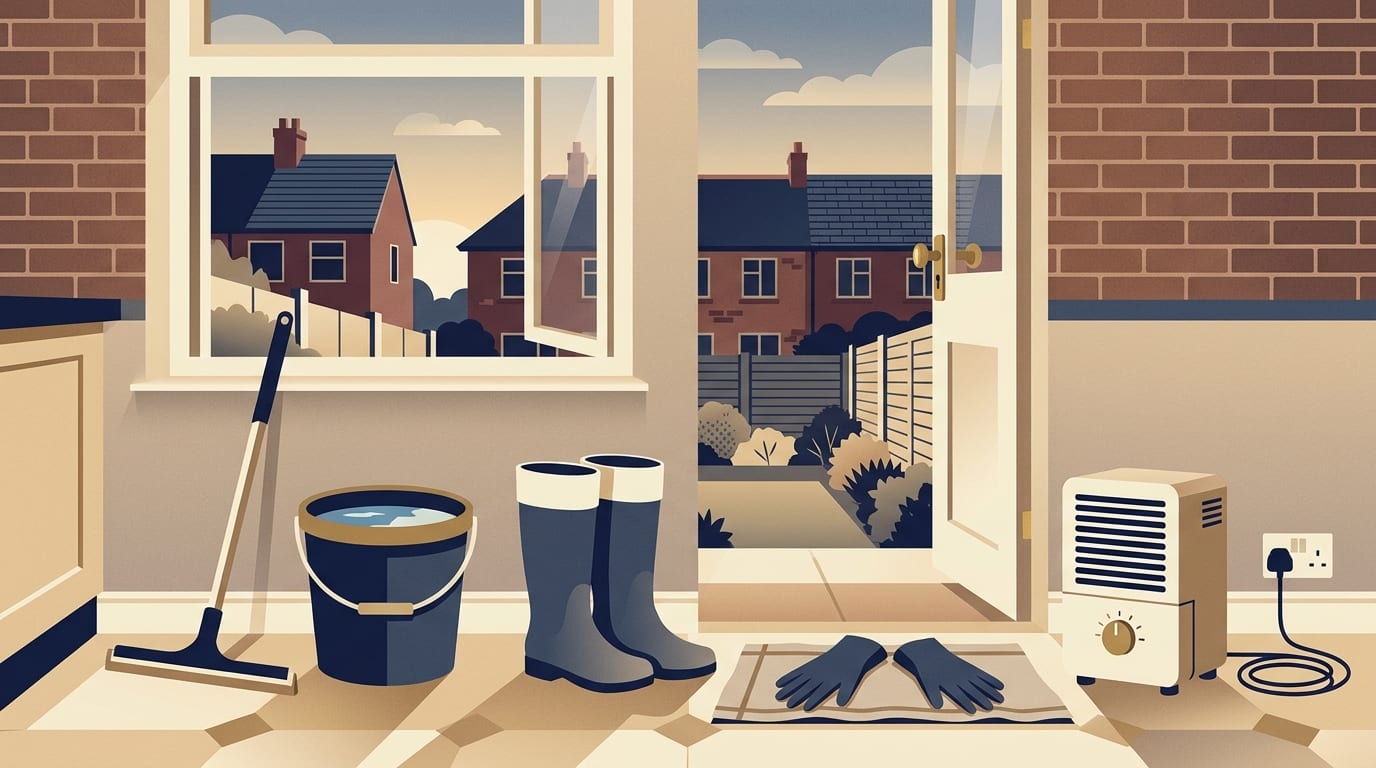
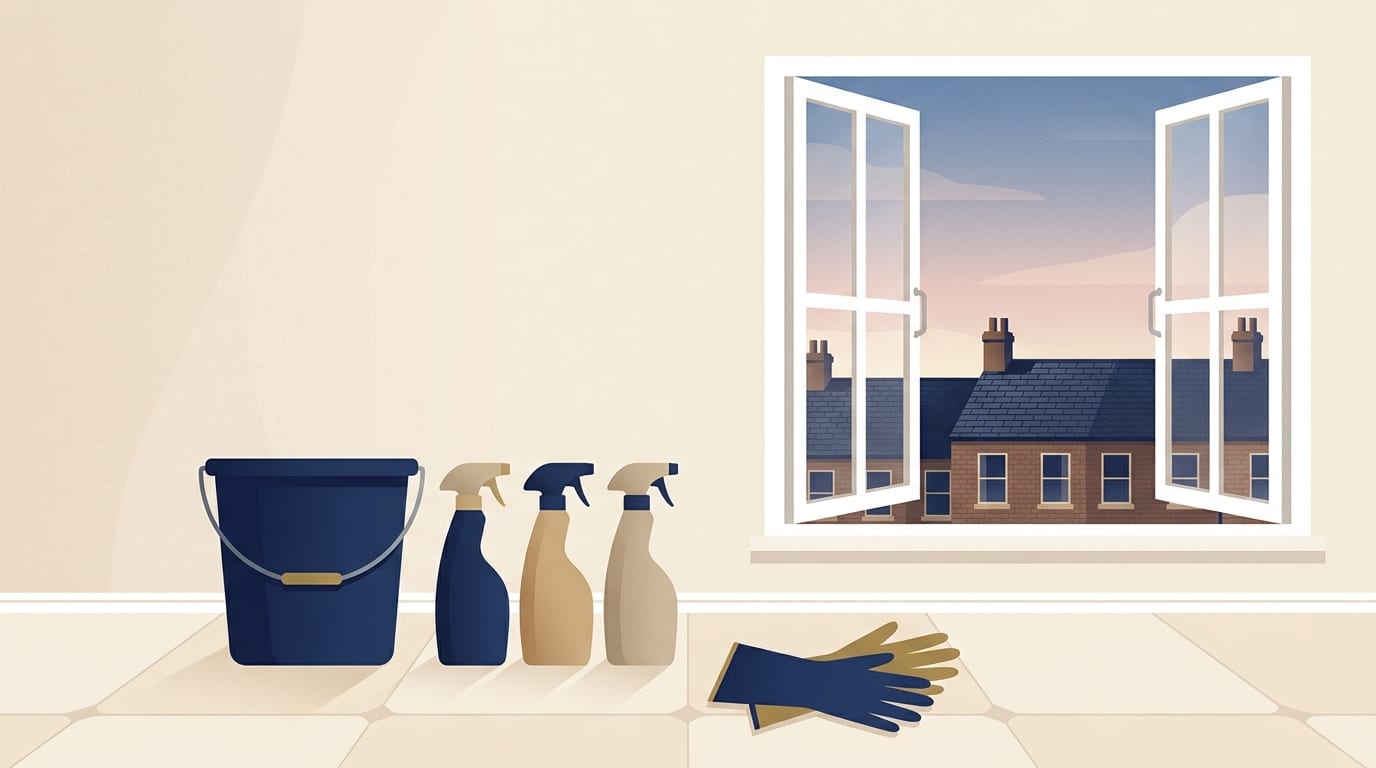
Bathrooms, utility rooms and small kitchens can let fumes build up quickly. You should always open windows and doors before you start wiping down surfaces or pouring liquids. Good airflow stops fumes building up.
You must wear rubber gloves to protect your hands. Even diluted bleach can dry out skin.
Temperature matters just as much as the chemicals themselves. You should use cool to lukewarm water to wash down your surfaces. Never use boiling water with bleach. Hotter water breaks down the active ingredients in bleach and releases fumes in the steam.
If you or a pet breathe in fumes
Accidents happen and knowing how to react is vital. If you think you, a child or someone else may have swallowed, touched or breathed in something harmful, call 999 or go to A&E immediately.
If you are not sure whether something is harmful, call NHS 111 for advice. Do not try to make the person sick and do not give them anything to eat or drink. Find the substance or its packaging and take it to hospital if possible so medical staff know exactly what they are dealing with.
If you think your dog has swallowed something toxic from a cleaning product, contact your vet right away. Keep them away from the room where the spill or mixture happened.
A safer routine and hiring a professional cleaner
To avoid mistakes, build a safe and simple routine. Use one product per job and put the bottle away before you bring out another one. Keep all your products in their original bottles with their labels clearly visible. Never pour a strong liquid into an unmarked container or an old water bottle.
If you hire a cleaner, tell them which products you want used. A regular or domestic cleaning service is a repeat visit, usually weekly or fortnightly. It covers the routine clean of kitchens, bathrooms, floors and surfaces. Who supplies the products varies. If you supply them, leave out only products in their original labelled bottles. You can check the rules for providing cleaning products for your cleaner to understand what they expect to find in your cupboards.
A deep clean goes further, tackling heavy limescale and grease behind the hob. An end of tenancy clean is a whole property clean to a check-out checklist. For both, who supplies the products and equipment varies and affects the price. Oven cleaning, carpet cleaning, upholstery and inside windows are commonly add-ons, so never assume they are included.
The table below shows typical cleaning costs and who provides the products.
|
Type of service |
Typical cost |
Who supplies the products |
|---|---|---|
|
Regular cleaning |
£13 to £25 per hour outside London |
Varies |
|
Deep cleaning |
About £25 to £45 per hour, or from around £180 for a one-bed to £400 to £600 or more for a four-bed |
Varies |
|
End of tenancy clean |
Roughly £120 to £170 for a studio up to £550 to £700 for a five-bed, outside London |
Varies |
These are typical 2026 ranges, not quotes. For a regular clean in London and the South East, prices are roughly £20 to £32 per hour. End of tenancy cleans in London are about 25 to 40 per cent higher.
If you are providing the chemicals for a self-employed cleaner you deal with directly, keep them in their original labelled bottles and never leave mixed products out for them. A professional cleaner will normally know not to mix products, but setting out your rules prevents any confusion.
You should also understand your legal position. GOV.UK says you are the employer if you hire someone to work in your home and they are not self-employed or paid through an agency. An employer must pay at least the National Minimum Wage, check the right to work, run payroll and hold employers' liability insurance. The National Living Wage is £12.71 an hour from April 2026 for those aged 21 and over.
To protect your home, you should ask for proof of public liability insurance as a sensible check before something gets broken. A basic DBS check is something an individual applies for themselves, costs £20 and covers England and Wales, so a cleaner can be asked to show one. Services booked online or by phone normally carry a 14-day cooling-off period, but if you ask for the clean to happen inside it you pay for what was done.
If you are a tenant moving out, do not mix strong chemicals to try and guarantee your deposit back. The Tenant Fees Act 2019 bans landlords and agents from making tenants pay for professional cleaning in England. The tenant's duty is to return the home as clean as it was at the start, as recorded on the inventory or check-in report. Landlords cannot deduct for fair wear and tear, and any claim that a clean guarantees the deposit back should be treated with caution. Rules differ in Scotland, Wales and Northern Ireland.
Common questions
Can I mix different brands of the same spray?
Do not mix them. Stick to one bottle at a time and finish it before starting a new one.
What should I do with unlabelled bottles?
If you find a bottle under the sink and you do not know what is inside it, do not use it. You cannot know what it might react with if it touches another chemical. You should dispose of it safely according to your local council guidelines.
Are natural cleaning liquids safe to mix?
Natural does not always mean safe to combine. Vinegar is a common natural liquid, but it is acidic, and combining it with bleach can release chlorine gas. You must treat natural liquids with the same caution as synthetic ones and use them one at a time.
How long should I wait between using different sprays?
Time alone is not a safe guide. You must rinse the area thoroughly with clean water before you apply anything new.
How do I compare quotes for a safe professional clean?
Choosing on the lowest hourly rate alone is a common mistake. When comparing quotes for a safe professional clean, you should:
- Decide the tasks, frequency and budget before you contact anyone.
- Ask for like-for-like quotes from different providers.
- Ask about vetting and whether the same cleaner comes each time.
- Check their holiday cover and cancellation terms.
- Agree on key handling and how keys are securely stored.
- Start with a trial clean and a written checklist so expectations match.
Next steps
Before you tackle your next household chore, follow this simple checklist to keep your home safe:
- Read the label on every bottle before you open it.
- Open windows and doors to keep the room well ventilated.
- Put on rubber gloves and old clothes to protect your skin.
- Use cool to lukewarm water, never boiling water.
- Apply one liquid or spray at a time.
- Rinse the surface completely with clean water before using anything else.
Keeping your cupboards organised and your chemicals separate helps prevent accidents. If you decide to hand the household chores over to a professional, you can find a house cleaner near you to take care of the hard work safely.
Find a top rated house cleaner near you
2,880 house cleaners across the UK, each ranked on their Google rating and the number of reviews behind it. Start with your county: