Cleaning your home cannot cure an allergy, but keeping on top of dust and damp can reduce the triggers that set off your symptoms. If you or your child have asthma, always follow your personal asthma plan and speak to your GP for medical advice. Small changes to how you clean may help you reduce the triggers in your home.
Why cleaning matters when you have allergies or asthma
Dust mites like warm, humid, damp places, pollen comes in from outdoors and mould flourishes where it is humid and damp. Reducing these triggers takes a particular approach to housework.
Asthma + Lung UK and Allergy UK both offer practical guidance on keeping your indoor air clean and reducing allergens. Asthma + Lung UK's pages were last reviewed on 1 October 2024 and are stated to be under review, so check the charities directly for their current advice. Regular domestic cleaning usually covers the routine wiping of kitchens, bathrooms and surfaces.
A deep clean goes further than routine cleaning. If a cleaner does the work, you can set the rules for your home, including which products they use and how they handle dust.
Allergy UK says a feather duster can flick dust into the air, so trapping dust on a damp cloth rather than moving it around is the better approach. Cleaning cannot promise relief from symptoms, so keep following your asthma plan or your GP's advice.
Dust mites and the bedroom
Dust mites thrive in warm, humid and damp places. Allergy UK says house dust mites need moisture, so the bed and the soft furnishings around it are worth tackling.
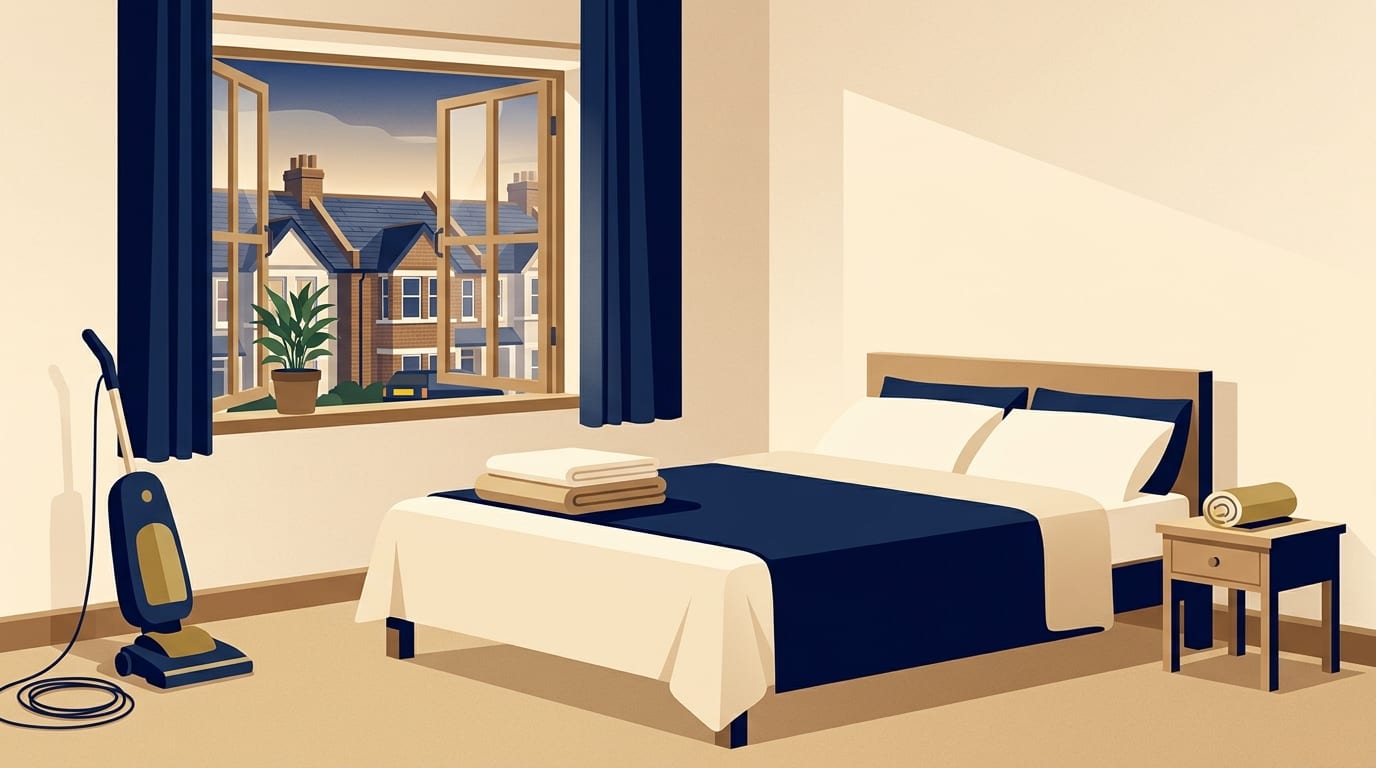
Here are the steps to manage dust mites in the bedroom:
- Wash all bedding regularly at 60 degrees or above to kill house dust mites.
- Enclose your mattress and pillows with zipped allergen barrier covers.
- Hang your duvet over a chair each day so the bed can air.
- Wash favourite soft toys weekly at over 60 degrees or freeze them overnight.
- Remove unnecessary cushions, rugs and throws from the room entirely.
Allergy UK and Asthma + Lung UK both give 60 degrees as the wash temperature that kills dust mites. Allergy UK recommends zipped barrier covers for the mattress and pillows, and airing the duvet over a chair each day.
Asthma + Lung UK suggests getting rid of soft furnishings you do not need, such as cushions, rugs and throws.
Damp dusting and vacuuming
Allergy UK advises damp dusting rather than using a feather duster, which can flick dust into the air for several hours.
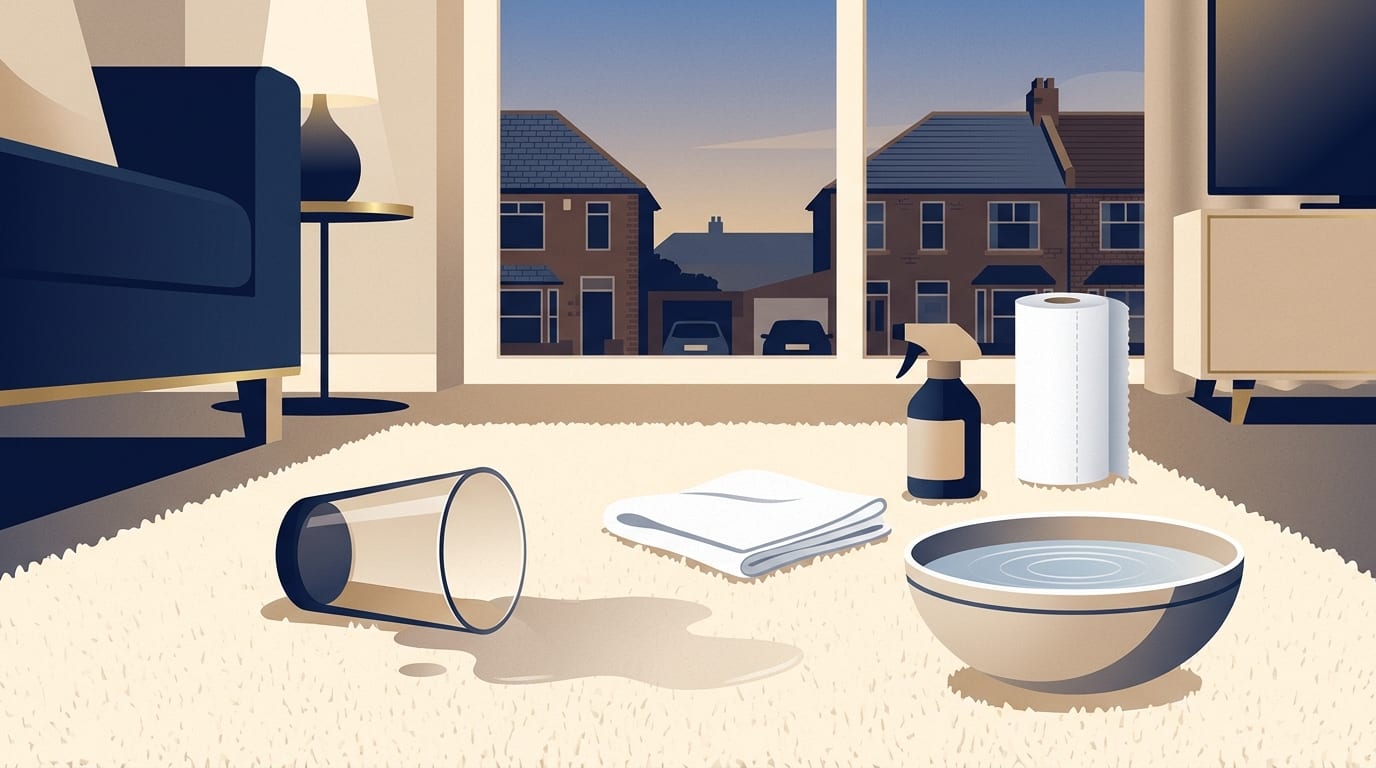
You should always clean your surfaces with a damp cloth instead. A damp cloth traps the dust so you can rinse it out afterwards. Asthma + Lung UK advises cleaning surfaces with a damp cloth at least once a week, and the NHS advises dusting with a damp cloth.
Vacuuming is another weekly task for allergy management. Both Asthma + Lung UK and the NHS recommend using a vacuum cleaner with a HEPA filter.
Asthma + Lung UK says vacuums with HEPA filters can trap more house dust mites than other vacuums. Allergy UK advises choosing a vacuum with efficient pick up and filtration, and taking care when emptying bagless vacuums as allergens can be released.
If you have an allergy, it may help to ask someone who does not have one to empty it for you.
Mould and damp in kitchens and bathrooms
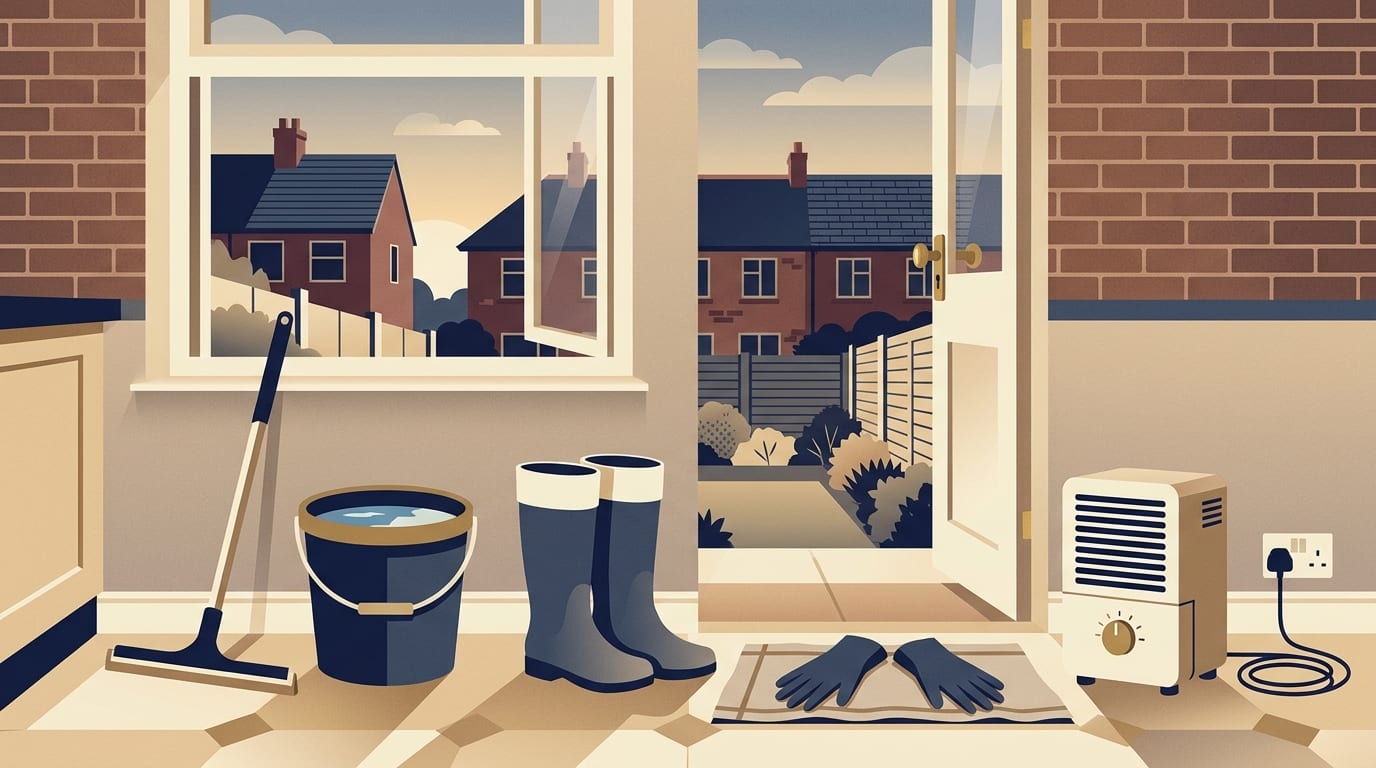
Condensation is one of the main causes of damp and mould in UK homes. Moulds flourish in humid, damp environments like bathrooms, kitchens and utility rooms. Asthma + Lung UK says to deal with damp and mould quickly, especially if you have a lung condition, and Allergy UK says to clean the kitchen, bathroom and utility room thoroughly and then ventilate.
Allergy UK says ventilation will reduce humidity. Asthma + Lung UK suggests these habits.
Follow these steps to prevent mould and damp:
- Open windows and close doors when you are cooking or showering.
- Turn on the extractor fan in the bathroom and kitchen.
- Leave the extractor fan on or the window open for 10 minutes after cooking.
- Avoid drying your washing indoors or over hot radiators.
- Clean mould from your window frames as soon as it appears.
- Dry your washing machine rubber seals and leave the door and drawer ajar.
Allergy UK includes the washing machine seals in its advice because mould flourishes where it is damp.
If you have a severe mould problem, do not try to deal with it yourself. Large or persistent mould needs a specialist. For a small surface patch, read how to remove black mould from bathroom sealant and grout if it is just a small surface area.
Pollen season at home
Hay fever brings a different set of challenges when pollen counts rise outside. The NHS advises keeping windows and doors shut as much as possible during pollen season.
You still need to clean regularly to catch whatever makes it inside. Vacuum your floors often using a HEPA filter and dust all your surfaces with a damp cloth. When you come indoors, shower and change your clothes to wash pollen off, as the NHS advises.
The NHS says not to dry clothes outside because they can catch pollen. It also advises keeping pets out of the house if possible, because they can carry pollen indoors.
This differs a little from the NHS advice to keep windows shut as much as possible, so ask your GP what suits you. Asthma + Lung UK suggests opening windows for a couple of minutes through the day, after checking pollution and pollen levels if they are triggers, and keeping trickle vents open.
Cleaning products, sprays and fragrance
Everyday cleaning and cosmetic products release volatile organic compounds and fine particles. Asthma + Lung UK says these can cause allergic reactions or headaches.
In the 2024 Life with a Lung Condition survey by Asthma + Lung UK, four in ten people said aerosols and perfumes triggered their lung condition. You should choose pump sprays over aerosols because aerosols release more volatile organic compounds into the air. Pick unscented products where possible to avoid irritating fragrances.
When you do use spray and aerosol products, always make sure the window is open or you are in a well aired space. Read the labels on your cleaning supplies carefully before you buy them. Asthma + Lung UK also suggests looking for products with an Air Label certification.
Steam cleaning and the advice that differs
Allergy UK says to steam clean carpets and mattresses using high temperature steam, which leaves surfaces dry rather than wet.
The advice on steam cleaning is not completely settled across all health bodies. Because high temperatures and vapour are involved, you should ask your GP or an allergy specialist if this method is right for your specific condition. If they agree it suits you, you can decide whether to hire a machine or book a professional service.
If you share your home with animals, read the guide to carpet and sofa cleaning for pet owners.
What to ask a cleaner to do differently
Hiring a domestic cleaner means handing over the routine tasks, but you must give them clear instructions. Do not assume they know how to clean for dust allergies. Write a checklist that details exactly what they must do and what they must avoid.
Tell them to use a damp cloth for all dusting and strictly ban feather dusters from your home. If they bring their own vacuum, check that it has a HEPA filter. Supply them with unscented pump sprays rather than aerosols, and remind them to open windows while they work.
You need to agree on these specific methods before the cleaning starts. This table shows what to ask your cleaner to do differently compared to a standard clean.
|
Task or area |
Allergy friendly method |
Source of advice |
|---|---|---|
|
Dusting surfaces |
Use a damp cloth to trap dust |
Allergy UK and NHS |
|
Vacuuming floors |
Use a vacuum with a HEPA filter |
Asthma + Lung UK and NHS |
|
Cleaning products |
Use unscented pump sprays |
Asthma + Lung UK |
|
Washing bedding |
Wash at 60 degrees or above |
Allergy UK and Asthma + Lung UK |
|
Ventilation |
Open windows when using sprays |
Asthma + Lung UK |
Discussing these changes when you ask for a quote gives the cleaner a chance to plan for them.
Common questions
Does a HEPA filter really help with dust allergies?
The NHS advises using a HEPA filter in your vacuum cleaner, and Asthma + Lung UK says vacuums with HEPA filters can trap more house dust mites than other vacuums. It cannot promise relief from symptoms, so ask your GP if you are unsure.
How often should I vacuum if I have asthma?
Asthma + Lung UK advises vacuuming your floors weekly to keep allergens under control. You should also clean your surfaces with a damp cloth at least once a week to keep dust levels down. Regular cleaning is one way to keep triggers down.
What is the best way to dust?
The best way to dust is with a damp cloth that binds the particles to the fabric. You should never use a feather duster because it simply flicks dust into the air, where it can hang around for several hours. A damp cloth traps the dust directly from the surface so you can wash it away safely.
Can I use regular cleaning sprays?
You should be careful with everyday cleaning sprays because they release volatile organic compounds into your indoor air. Asthma + Lung UK advises choosing pump sprays over aerosols, as aerosols release more volatile organic compounds. Pick unscented products where possible and always open a window when you use them to keep the room well aired.
How do I deal with mould if I have asthma?
Condensation is a major cause of damp, and moulds flourish in humid environments like bathrooms and kitchens. Asthma + Lung UK says you must get rid of mould as soon as possible, especially if you have a lung condition. Open windows regularly, use extractor fans, and clean mould from window frames immediately.
Next steps for an allergy friendly home
Managing an allergy takes a bit of extra planning, but setting up a good routine makes your home much more comfortable. Work through these simple changes to reduce the triggers in your living space.
- Check your vacuum cleaner has a HEPA filter and empty it carefully outside.
- Swap your feather dusters for cloths that you can use damp.
- Buy zipped allergen barrier covers for your mattress and pillows.
- Check your cleaning cupboard and replace aerosols with unscented pump sprays.
- Write a clear task list for your cleaner explaining your allergy requirements.
Changing your cleaning supplies and methods is one way to reduce triggers at home. When you are ready to hand the hard work over to someone who understands your checklist, you can find a house cleaner near you.
Find a top rated house cleaner near you
2,880 house cleaners across the UK, each ranked on their Google rating and the number of reviews behind it. Start with your county: