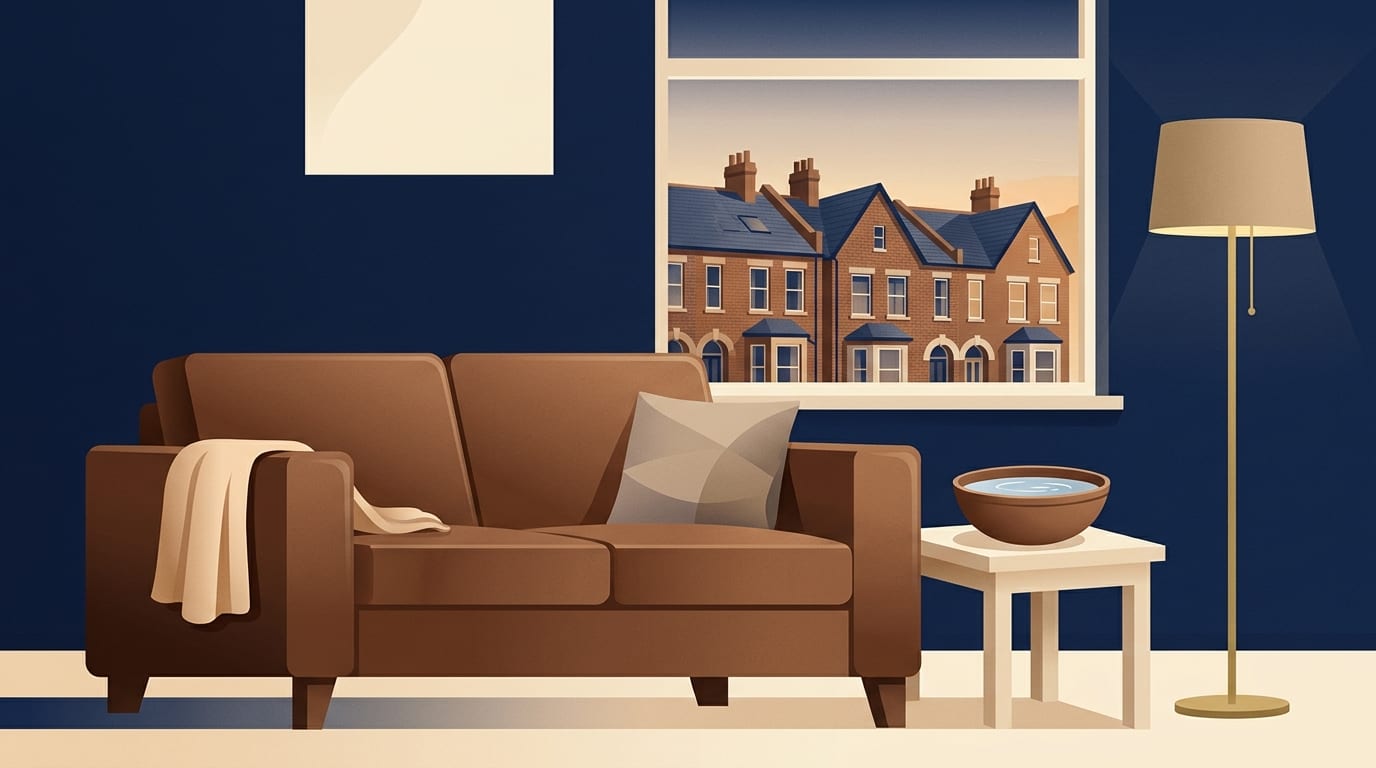
Leather is a natural material, which means it behaves differently to synthetic fabrics. The wrong cleaning product can easily dry it out, leave a permanent mark or lift the coloured finish completely. The safest approach to cleaning your leather furniture is always gentle and minimal. Knowing how to clean a leather sofa correctly means relying on soft cloths, blotting spills immediately and avoiding harsh household chemicals.
Check the care label and test first
Always check the care label on your sofa before you apply any water or cleaning product to the leather. Which? gives cleaning codes that tell you what type of cleaner is safe, but it lists them in its fabric sofa section. The label code may therefore refer to fabric furniture rather than the leather itself, and it is not clear whether leather labels use these codes.
You should therefore check the maker's instructions as well to ensure you follow the correct advice for your specific leather finish. If the label is unclear or missing entirely, check directly with the maker or the retailer before you begin.
The table below shows what each code means, using the Which? wording.
|
Care label code |
What it means for cleaning |
|---|---|
|
W |
Water-based cleaners only |
|
S |
Solvent-based cleaners only |
|
WS |
Either water-based or solvent-based cleaners |
|
X |
Vacuum only |
Even if the label suggests a product is safe, you must test the cleaning products in a hidden area before use. Pick an inconspicuous spot at the back of the sofa or near the floor edge. Apply a tiny amount of your chosen cleaner and wait for it to dry completely. If you notice any colour transfer on your cloth, or if the leather looks darker, lighter or feels different in texture once dry, do not proceed with that product.
Dust and vacuum gently
The first step is to wipe away dust and crumbs with a soft brush attachment or a soft cloth, as Which? advises.
You can also vacuum the sofa to remove crumbs and larger debris from the crevices and seams. You must use a soft brush attachment when doing this. Use the soft brush attachment rather than a bare nozzle so you do not scratch the leather. Run the soft brush attachment lightly over the seat cushions, the arms and along the stitched seams where crumbs tend to gather.
Pay special attention to the gaps where the seat cushions meet the backrest and the armrests. Removing this dry dirt is an essential step before you apply any moisture to the sofa. If you skip this step, a damp cloth may smear the dry dirt across the leather.
Blotting spills and marks
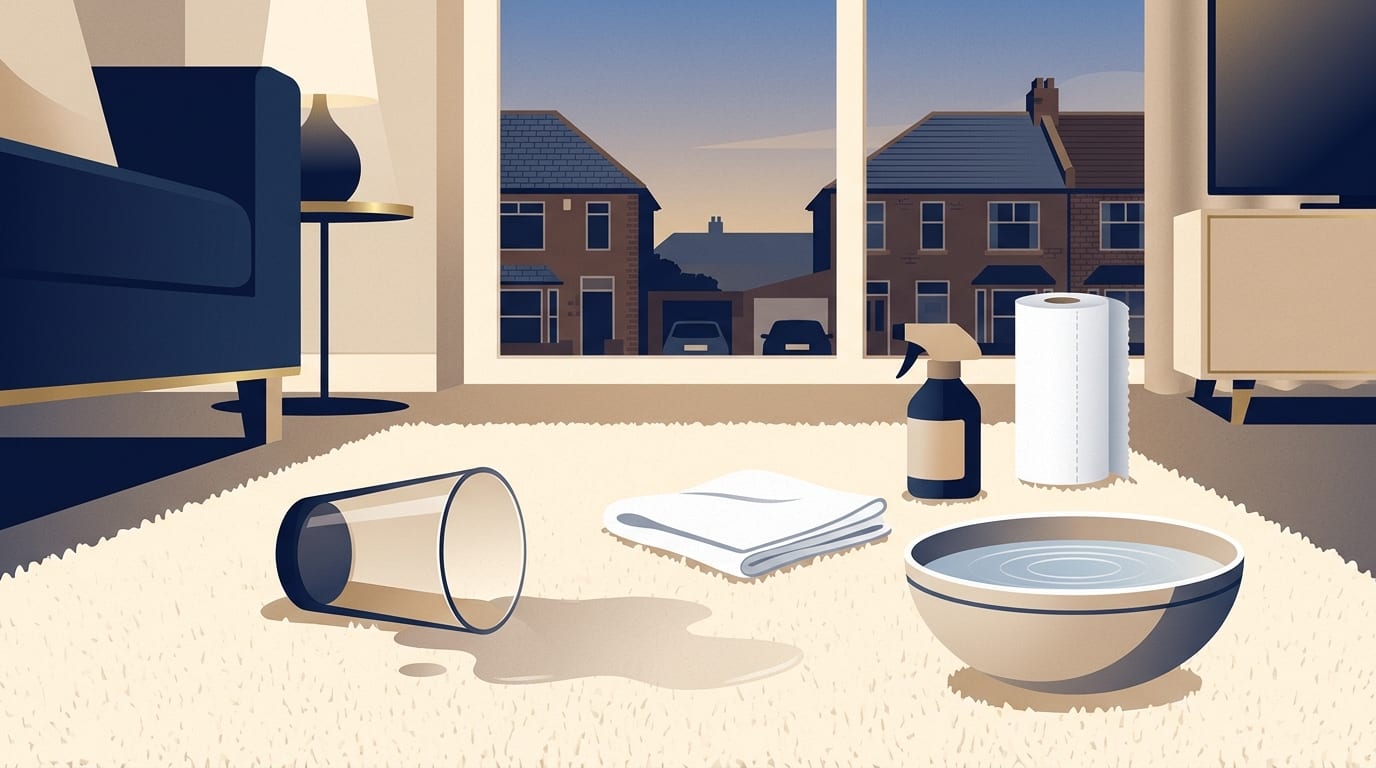
You need to wipe up dirt and spills quickly as Which? advises. When a spill happens, you must spot treat the stains by blotting with a damp cloth first. Press the cloth gently against the spill to absorb the liquid straight away, rather than rubbing or scrubbing the area.
Rubbing or scrubbing may push the spill deeper or damage the finish. Keep turning your damp cloth to a clean, dry section so you are absorbing the liquid efficiently and not transferring the spill back onto the sofa.
Once you have absorbed the liquid, leave the area to dry naturally. Which? advises keeping leather away from heat, so let it dry naturally and do not use a heat source to speed it up. If blotting with a damp cloth does not remove the mark entirely, you will need to clean the area more thoroughly.
Cleaning the whole sofa
If blotting a mark with a damp cloth fails to lift the stain, try mild soap with warm water. Mix a small amount of mild soap into warm water. Dip your soft cloth in and wring it out so it is only slightly damp, and do not use a dripping wet cloth.
Wipe the leather gently and do not soak the sofa with the soapy water. For deeper stains that do not respond to mild soap, you should use a specialist leather cleaner instead.
Use a specialist leather cleaner sparingly because less is more. Apply it with a very soft cloth to avoid scratching the leather while you work. Follow the instructions on the product and test it in a hidden area first.
Do not substitute household products or internet cleaning tricks for a specialist cleaner. If you are unsure whether a product is suitable, check with the maker or the retailer first.
Putting the Which? method together, the steps in order are:
- Wipe or vacuum away dust and crumbs with a soft brush attachment or soft cloth.
- Blot spills and stains with a damp cloth first.
- If that fails, try mild soap with warm water.
- For deeper stains, use a specialist leather cleaner sparingly with a very soft cloth, remembering that less is more.
- Pat the leather with a clean cloth and let it air dry.
Stop at the first step that works. Gentle and minimal is the safest approach.
Drying and conditioning
Once you have finished cleaning the sofa, pat the leather with a clean cloth to remove any remaining surface moisture. Let it air dry naturally and keep it away from heat while it dries.
Which? advises applying a leather conditioner every six to 12 months, depending on use, to keep the leather supple and help prevent cracking.
When the sofa is completely dry from cleaning, apply the leather conditioner using a fresh, soft cloth. Follow the product instructions and test it in a hidden area first. Check with the maker if you are not sure which conditioner suits your sofa.
If your sofa is used heavily every day by a large family, it will likely need conditioning closer to the six-month mark. A sofa in a quieter room that sees less frequent use can stretch to 12 months between conditioning treatments.
What to keep away from leather
Which? advises keeping leather away from heat, so position the sofa away from direct heat sources such as radiators.
You also need to keep leather away from sharp objects that can easily pierce or scratch the finish. Which? names these as things to keep away from leather:
- Pet claws.
- Keys left in pockets.
- Sharp accessories.
- Any other sharp objects.
If a scratch breaks the surface, do not try to fix it with strong products. Ask the maker, the retailer or a specialist.
Stains that need a specialist
Certain marks and types of damage cannot be fixed safely at home and require professional intervention. You should never attempt to treat severe damage with strong products or harsh chemicals, as that can make the problem worse. The following issues need a specialist to resolve them without ruining the sofa:
- Ink marks from leaking pens or markers dropped on the seats.
- Dye transfer from new denim jeans, dark clothing or non-colourfast throws.
- Deep scratches that have broken entirely through the coloured surface layer.
- Cracking where the leather has dried out and the surface has split.
- Mould growing on the surface or deep within the stitched seams.
- Old stains that have set into the material for months or years.
Do not try household stain removers or strong products on these problems. Ask the maker, the retailer or a leather specialist what can be done.
When to book a professional upholstery cleaner
If your sofa needs a thorough refresh, has widespread heavy soiling, or you simply want to ensure it is cleaned safely, you can hire a professional upholstery cleaner. Leather sofas are priced similarly to fabric ones, and leather is cleaned and conditioned with specialist leather products rather than extraction, which is the method used for fabric sofas.
If you need to steam clean a fabric sofa, keep in mind that steam is for fabric sofas and not for leather. Leather feed or conditioning beyond a standard clean is charged separately, so you should always ask if conditioning is included when you request a quote.
The table below shows typical 2026 prices for sofa cleaning. Leather is priced similarly to fabric, so these figures are a guide for leather too.
|
Furniture size |
Rest of UK |
London and South East |
|---|---|---|
|
Armchair |
30 to 45 pounds |
35 to 55 pounds |
|
Two seater sofa |
40 to 60 pounds |
50 to 75 pounds |
|
Three seater sofa |
50 to 90 pounds |
60 to 110 pounds |
|
Four seater sofa |
60 to 100 pounds |
70 to 120 pounds |
|
Corner sofa |
70 to 120 pounds or more |
90 to 150 pounds or more |
These are typical 2026 prices and not quotes. The minimum charge for sofa cleaning is 50 to 70 pounds in the rest of the UK and 60 to 100 pounds in London and the South East.
Before you book a professional, you can read the guide on sofa and upholstery cleaning services and what they cost to understand exactly what a professional service involves. Ask whether the cleaner has cleaned leather sofas before, and ask what is included.
Common questions
Can I use washing up liquid on my leather sofa?
Which? advises mild soap with warm water if a damp cloth fails to remove a mark, with a cloth that is only slightly damp. Check with the maker or retailer before using any other product.
Why is my leather sofa cracking?
Keep leather away from heat and apply a leather conditioner every six to 12 months to keep it supple and help prevent cracking. Once leather has cracked, ask the maker, the retailer or a specialist what can be done.
Does a professional use a machine to clean leather?
Leather is cleaned with specialist products instead of extraction. Fabric sofas are cleaned by extraction, and delicate fabrics such as suede, velvet and silk use dry cleaning. Ask any cleaner exactly how they clean leather.
How do I get pen out of a leather sofa?
Ink marks need a specialist, so do not try strong household products on the leather. Ask the maker, the retailer or a leather specialist what can be done. For ordinary marks, check the care label and test any cleaning product in a hidden area before use.
Next steps for your leather sofa
Keeping your leather furniture in excellent condition requires a gentle cleaning routine and prompt action when accidents happen. Follow this short checklist to maintain your sofa safely and protect the finish:
- Check the care label and test any cleaning product in a hidden area first.
- Wipe or vacuum away dust and crumbs regularly with a soft brush attachment.
- Blot spills and stains with a damp cloth immediately before they soak in.
- Try mild soap with warm water if blotting fails to lift the mark entirely.
- Use a specialist leather cleaner sparingly for deeper or stubborn stains.
- Pat the leather with a clean cloth and let it air dry away from direct heat.
- Apply a leather conditioner every six to 12 months to keep it supple.
If your furniture requires a professional deep clean, or you have tough stains like ink or dye transfer that need specialist attention, you can find a house cleaner near you to help restore it safely.
Find a top rated house cleaner near you
2,880 house cleaners across the UK, each ranked on their Google rating and the number of reviews behind it. Start with your county: